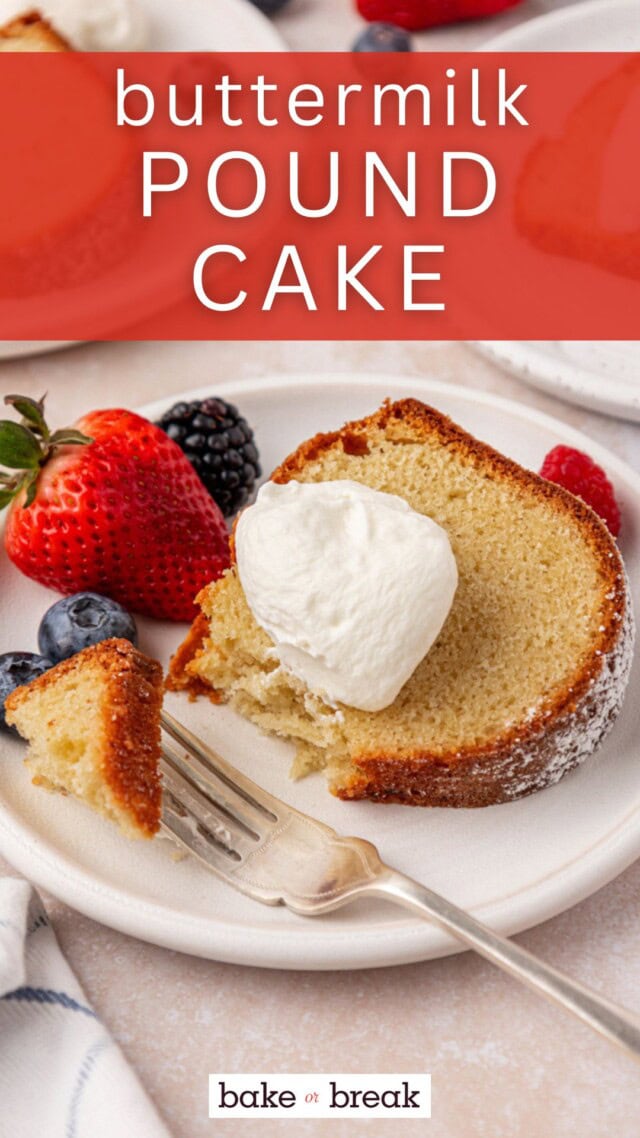
This buttermilk pound cake is rich, tender, and beautifully simple — the kind of classic cake that works just as well for a weekend treat as it does for a holiday table.
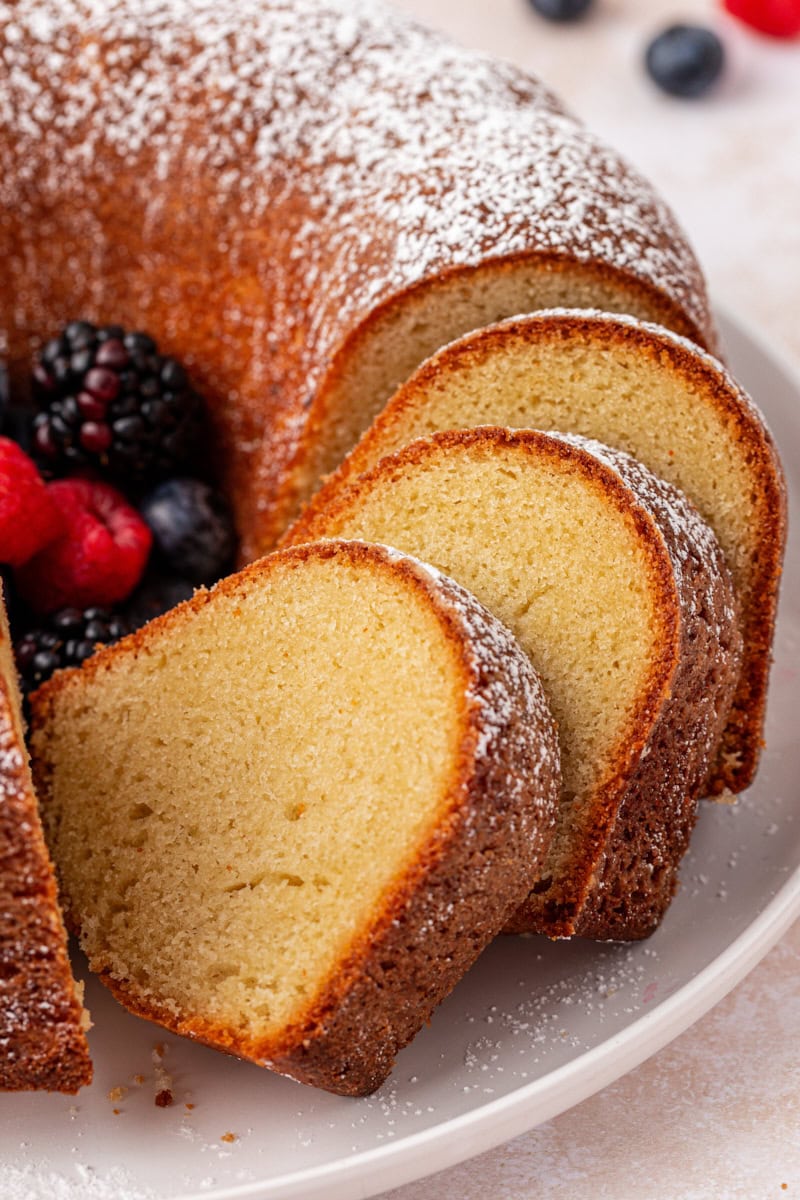
There’s something about a good pound cake that never goes out of style. No frosting drama. No complicated layers. Just a buttery crumb, a golden crust, and a slice that’s perfect on its own or dressed up with whatever you have on hand.
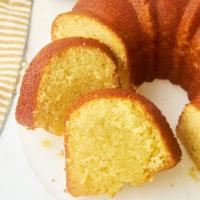
This version leans on buttermilk for a softer texture and a little tang, giving it a lighter feel than a traditional all-butter pound cake while still keeping that signature richness. It’s sturdy enough to slice cleanly, but tender enough that you don’t need anything else with it — though I won’t stop you from adding whipped cream.
Why You’ll Love This Buttermilk Pound Cake Recipe
- Soft, velvety crumb. Buttermilk tenderizes the cake and gives it a fine, even texture without making it fluffy like a layer cake.
- Rich but not heavy. It has that classic buttery depth you expect from a pound cake, but the acidity of the buttermilk keeps it balanced.
- Simple ingredients. No specialty flours or complicated techniques — just pantry basics.
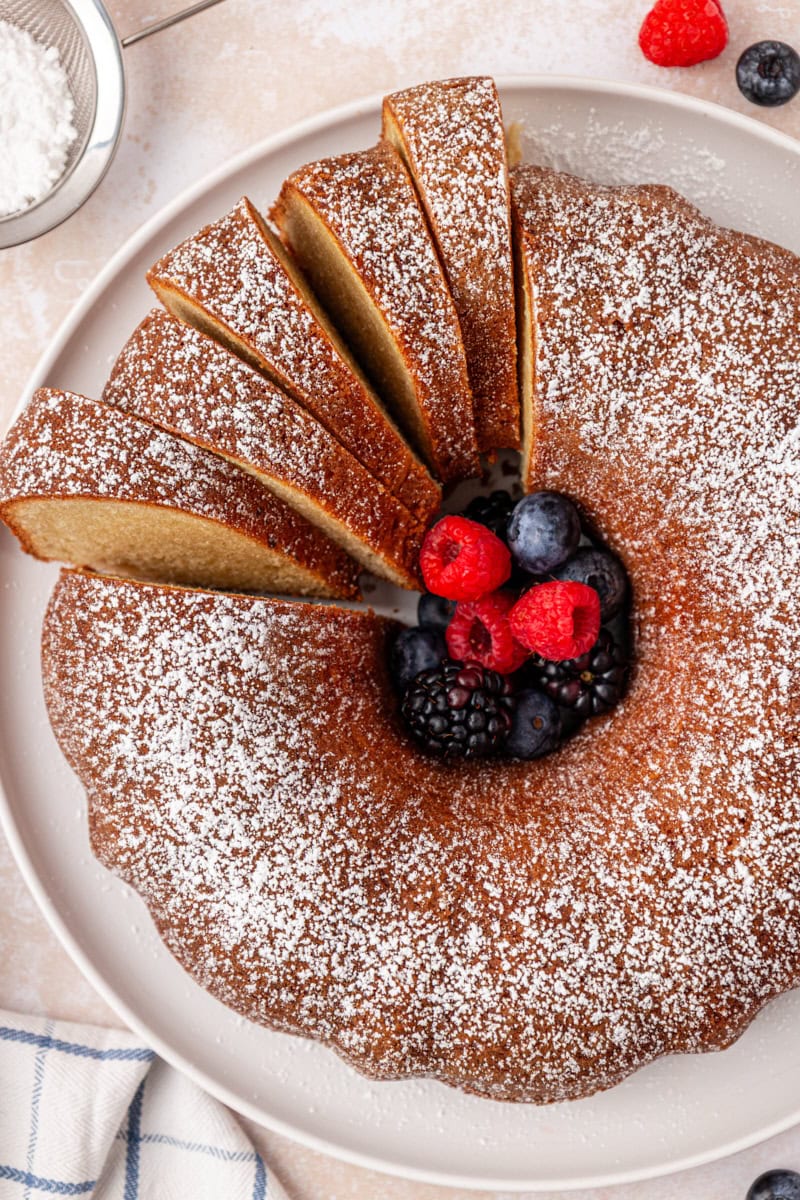
- Easy to dress up (or not). Serve it plain, dusted with powdered sugar, glazed, or paired with fresh fruit. It’s endlessly adaptable.
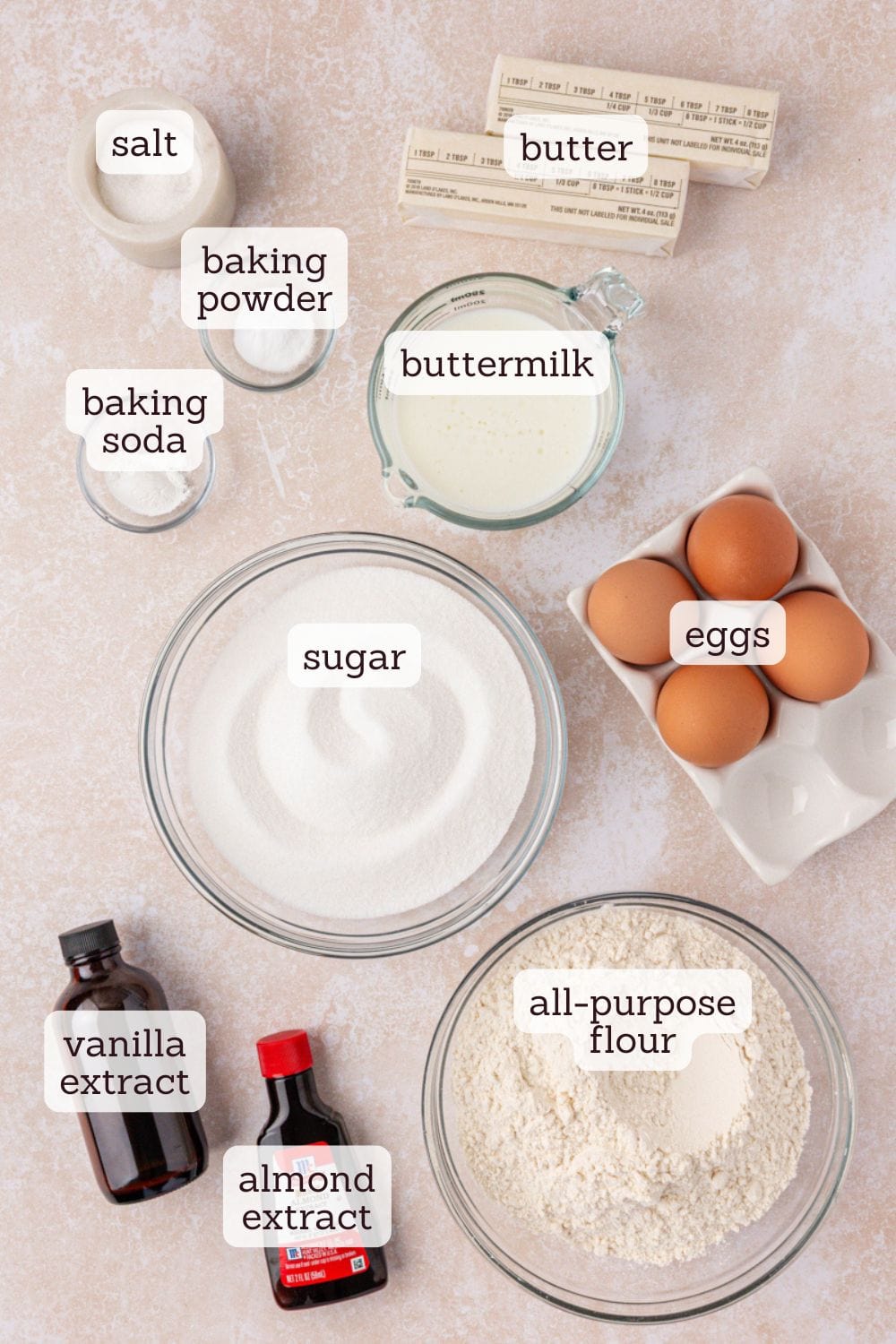
Key Ingredients and Why They Matter
- Buttermilk – This is the star here. It adds tenderness and subtle tang while activating the small amount of baking soda for lift. If you don’t have buttermilk, you can make a substitute but true buttermilk gives the best flavor and texture.
- Butter – Provides structure and flavor. Make sure it’s softened properly so it creams well. This step gives the cake much of its lift.
- Eggs – They add structure and richness. Room temperature eggs incorporate more smoothly and help prevent a dense batter.
- Vanilla (and optional almond extract) – Vanilla keeps the flavor classic. A small amount of almond extract adds a subtle bakery-style depth without overpowering the cake.
How to Make Buttermilk Pound Cake
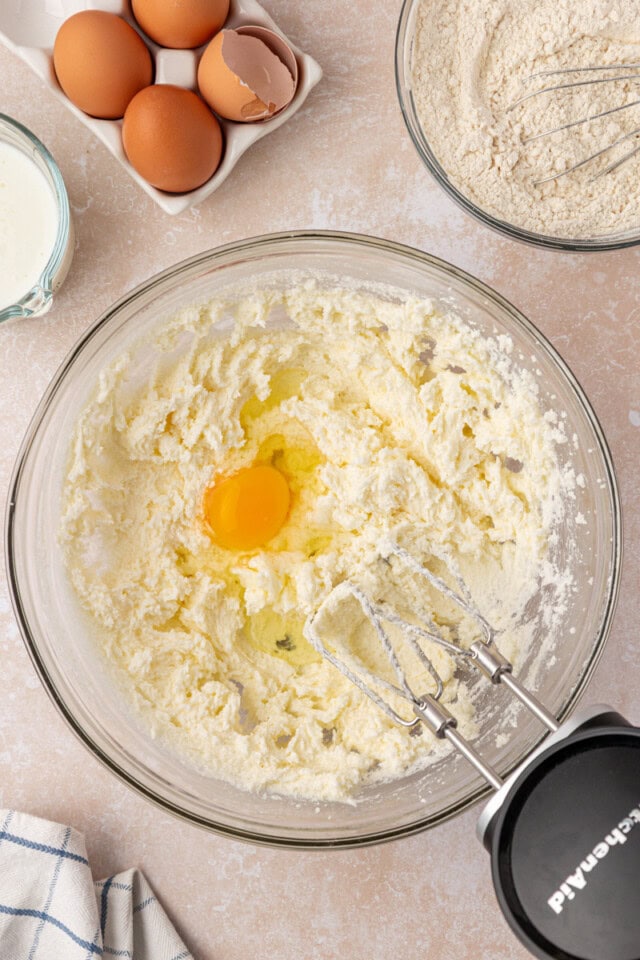
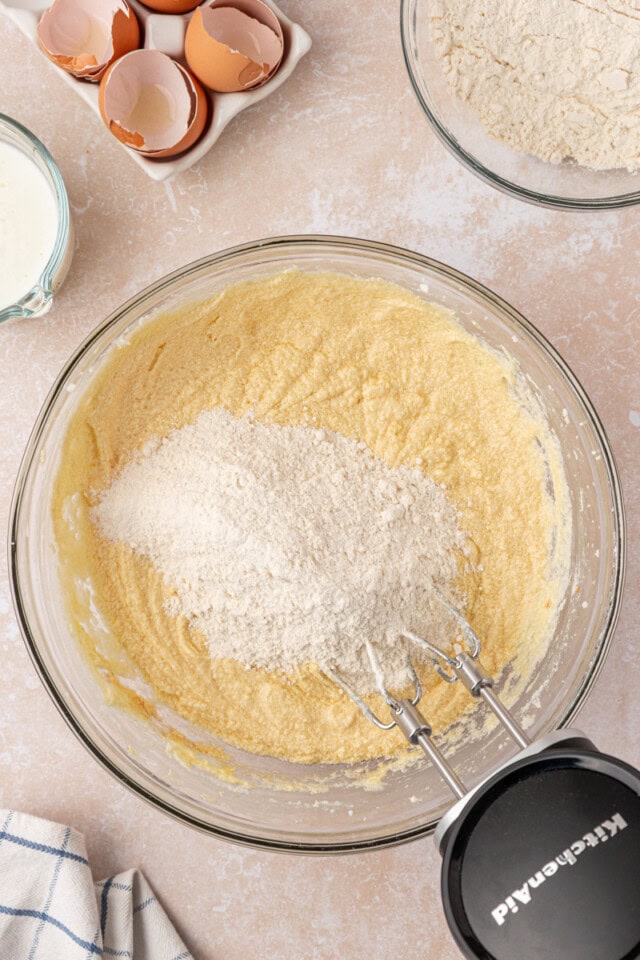
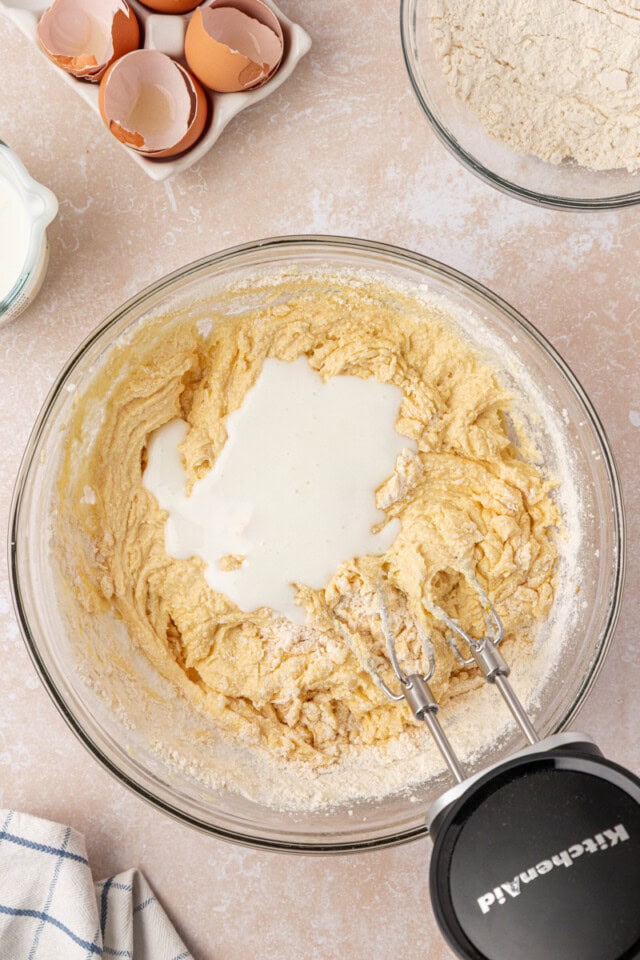
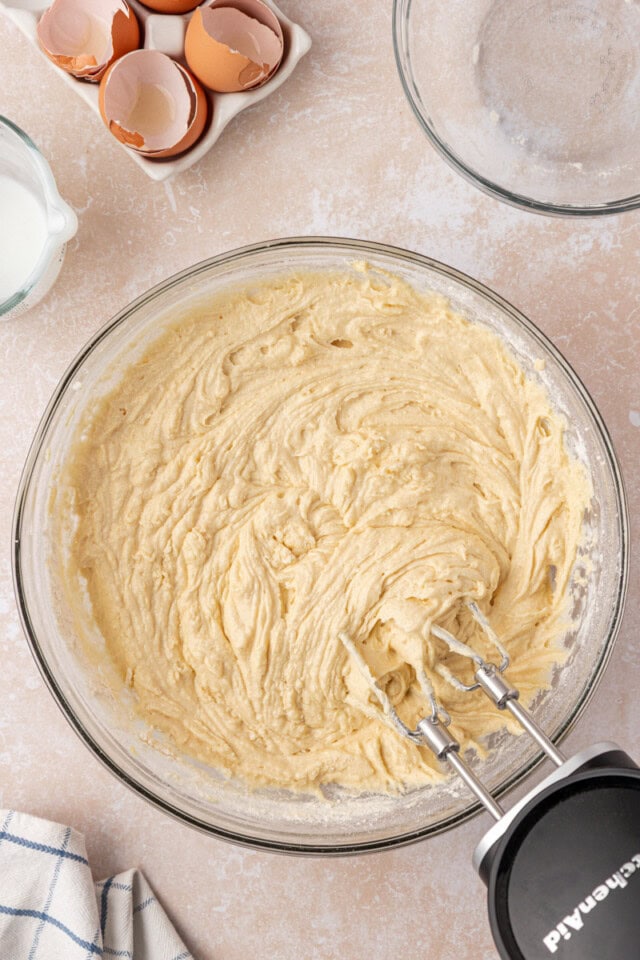
Cream the butter and sugar thoroughly.
Don’t rush this step. Beating for several minutes incorporates air and sets up the cake’s structure. The mixture should look noticeably lighter in color and texture before moving on.
Add the eggs one at a time.
This helps maintain the emulsion and keeps the batter smooth instead of curdled.
Alternate dry ingredients and buttermilk.
Start and end with the flour mixture. Mixing in stages prevents overworking the batter and keeps the crumb tender. Mix just until combined.
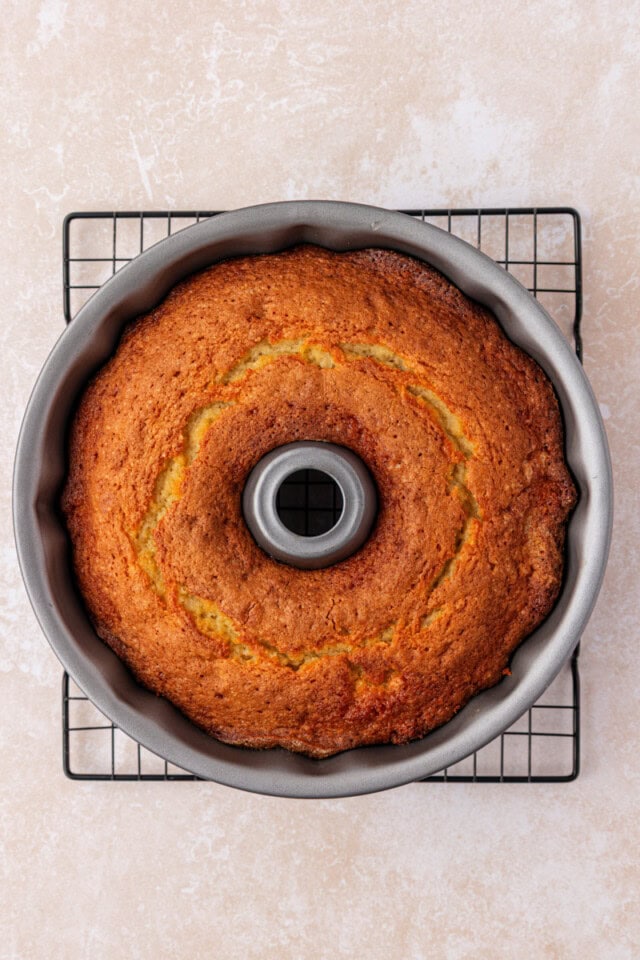
Bake low and slow.
A moderate oven temperature (325°F) gives the interior time to bake through without over-browning the exterior. The cake is done when a tester comes out clean or with just a few moist crumbs.
Let it rest before turning out.
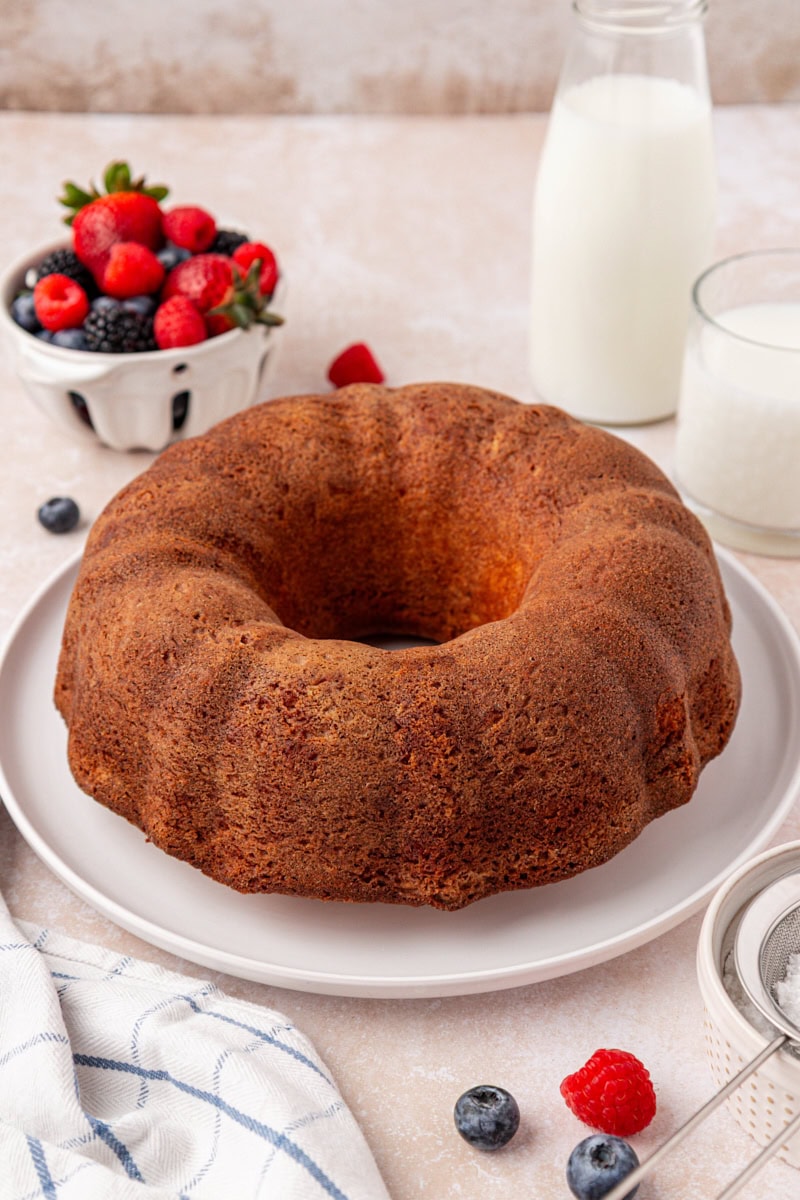
Cooling for about 15 minutes helps the structure set and makes unmolding easier.
Tips for Success
- Use room temperature ingredients. Softened butter, room temperature eggs, and buttermilk that isn’t ice-cold all blend more smoothly. Cold ingredients can cause the batter to curdle or mix unevenly, which affects the final texture.
- Don’t rush the creaming step. Creaming the butter and sugar for a full 3–4 minutes incorporates air and gives the cake structure. The mixture should look pale and fluffy, not dense or grainy.
- Measure flour carefully. Too much flour is one of the most common causes of dry pound cake. Spoon and level your flour or weigh it for best accuracy. See my tips for how to measure flour for a refresher if you need it.
- Mix just until combined. Once the flour goes in, over-mixing can make the cake tough. Stop mixing as soon as the batter is smooth and fully incorporated.
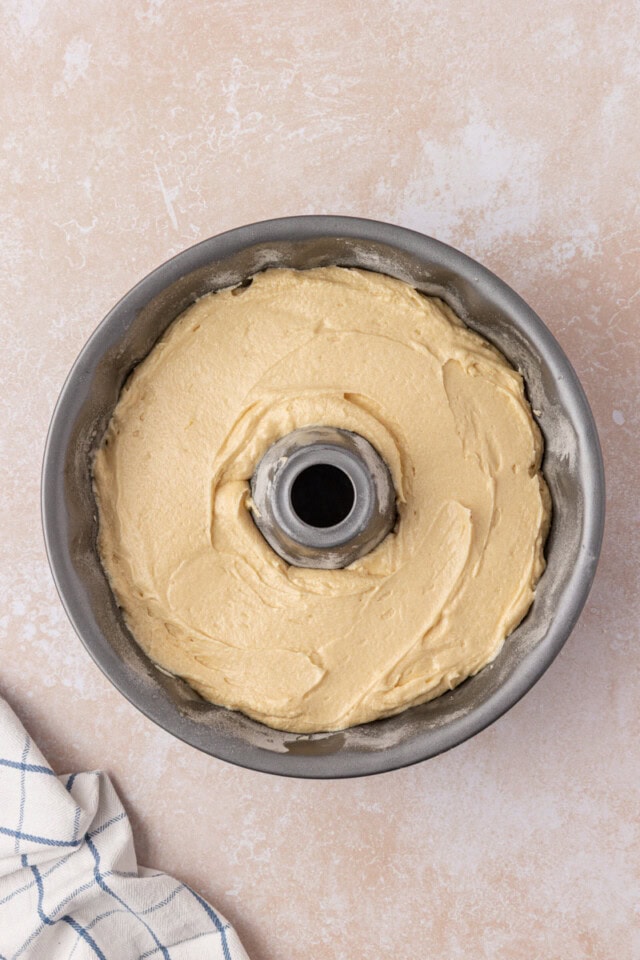
- Grease your pan thoroughly. Pound cakes have a tight crumb and a long bake time, which means they like to stick. Use butter and flour or a baking spray with flour, and make sure to get into every corner of a Bundt pan.
- Let it cool before removing from the pan. About 15 minutes is the sweet spot. Too soon and it can break. Too long and it may stick.
- Check for doneness properly. Insert a tester into the thickest part of the cake. It should come out clean or with a few moist crumbs, but not wet batter. The top should feel set and spring back lightly when touched.
Flavor Variations
If you’d like to change things up, here are a few easy options:
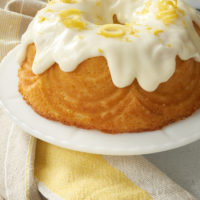
- Lemon: Add the zest of 1 lemon to the batter. Top with a simple lemon glaze (like the one on my mini lemon pound cakes) for more lemon flavor.
- Vanilla-almond: Use 2 teaspoons vanilla and ½ teaspoon almond extract for a subtle bakery-style flavor.
- Toasted almond topping: Sprinkle sliced almonds over a simple glaze for a little crunch and visual contrast.
Serving Ideas
This buttermilk pound cake is lovely on its own, but it’s also a perfect base for simple toppings.
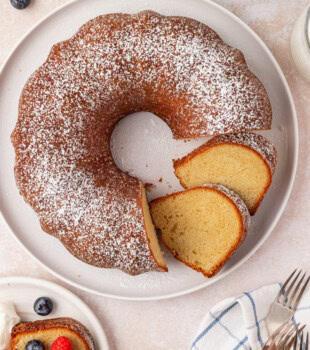
- A dusting of powdered sugar
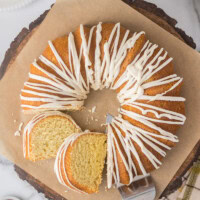
- A drizzle of vanilla glaze (like the one on my cherry vanilla yogurt cake)
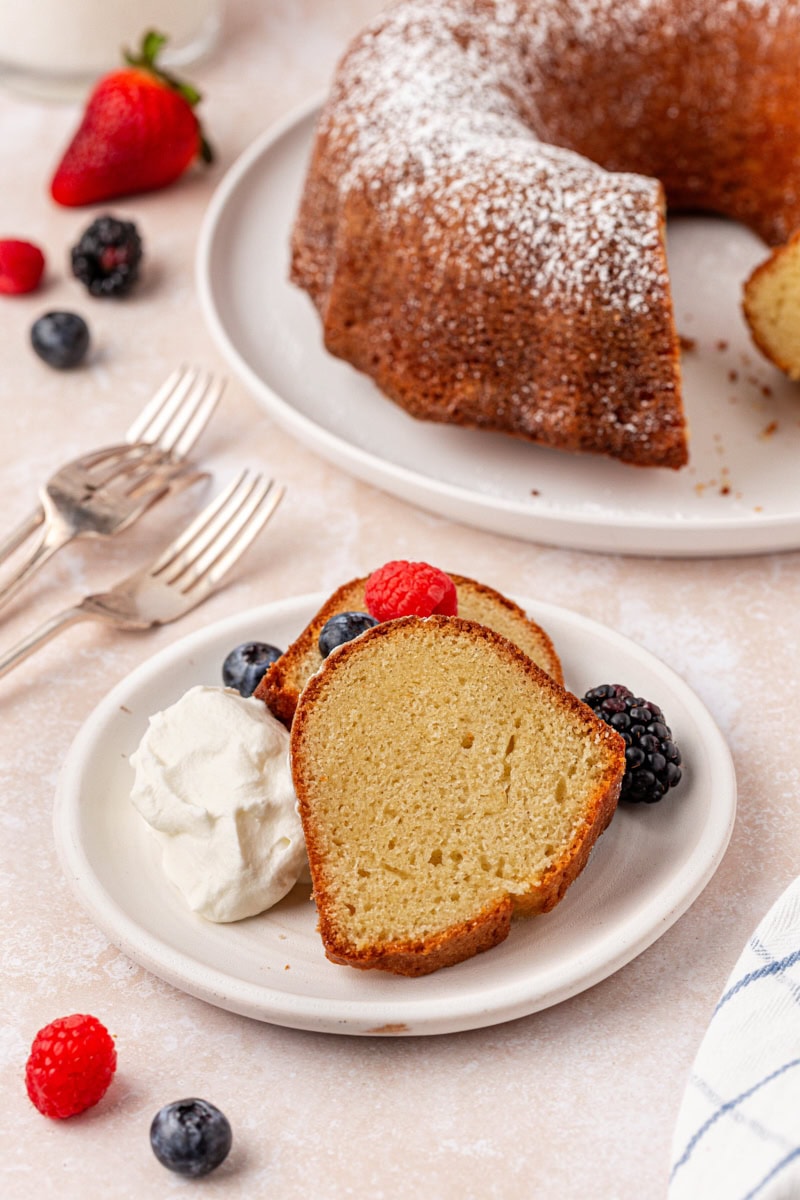
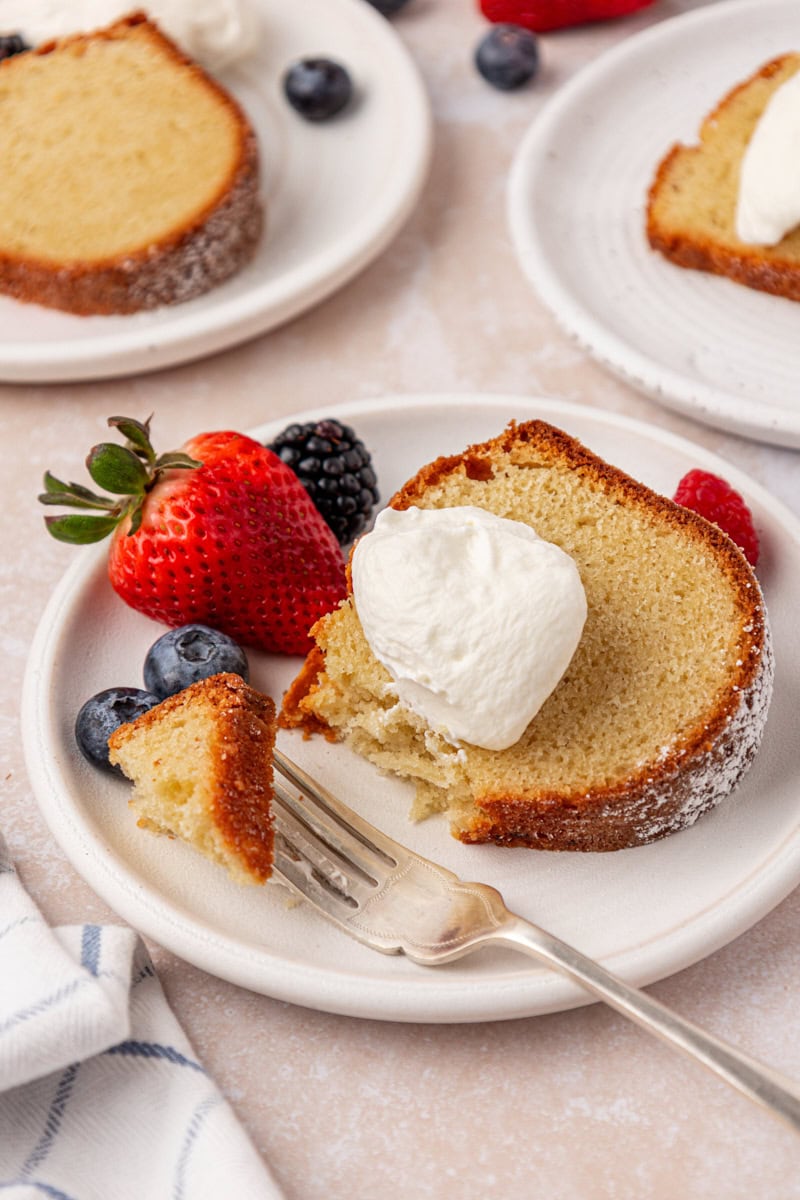
- Lightly sweetened whipped cream
- A spoonful of blueberry compote, peach compote, or simple macerated berries
- Fresh berries with a drizzle of raspberry coulis
- A swipe of lemon curd for bright contrast
It’s also wonderful slightly warm, with the topping added just before serving.
How to Store
Store tightly covered at room temperature for up to 3 days.
For longer storage, wrap the cooled cake (or individual slices) tightly and freeze for up to 2 months. Thaw at room temperature.
A Cake You’ll Come Back To
This buttermilk pound cake is the kind of recipe that quietly earns a permanent spot in your kitchen. It’s dependable, unfussy, and just rich enough to feel special without being complicated.
Bake it for a weekend treat, dress it up for company, or keep it simple with a dusting of powdered sugar and a cup of coffee. However you serve it, it’s a classic that works in every season — and one you’ll likely find yourself making again and again.
More Classic Cake Recipes
Buttermilk Pound Cake
Ingredients
- 2 ½ cups (300 g) all-purpose flour
- ½ teaspoon baking powder
- ½ teaspoon baking soda
- 1 teaspoon salt
- 1 cup (226 g) unsalted butter, softened
- 2 cups (400 g) granulated sugar
- 4 large eggs, at room temperature
- 2 teaspoons vanilla extract
- ½ teaspoon almond extract
- ¾ cup (180 ml) buttermilk, at room temperature
Recommended Products
Instructions
- Preheat the oven to 325°F. Grease a 10-cup Bundt pan well with butter and flour or a baking spray with flour.
- Whisk together the flour, baking powder, baking soda, and salt. Set aside.
- Beat the butter and sugar on medium speed until very light and fluffy and noticeably lighter in color. (This should take 3-5 minutes.)
- Beat in the eggs one at a time, mixing well after each. Scrape the bowl as needed. Mix in the extracts.
- With the mixer on low speed, add the flour mixture in three additions, alternating with the buttermilk in two additions (start and end with flour). Mix just until combined. The batter should be thick and silky.
- Transfer the batter to the prepared pan and smooth the top.
- Bake 60 to 70 minutes, or until the top is golden and a toothpick comes out clean or with a few moist crumbs.
- Cool in the pan for 15 minutes, then invert onto a rack to cool completely.
Notes
- Measure flour carefully to avoid a dry cake. Spoon and level or weigh for accuracy.
- Make sure butter is softened and the eggs and buttermilk are at room temperature for best texture.
- Cake can be stored tightly covered at room temperature up to 3 days.
- Freeze whole or sliced cake, well wrapped, up to 2 months.