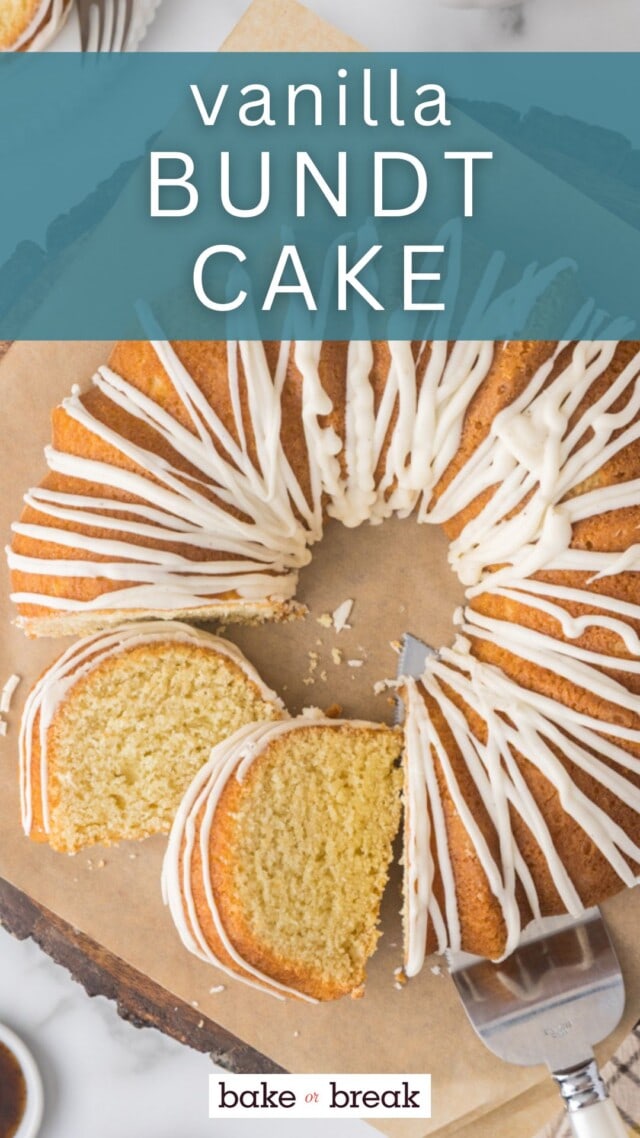
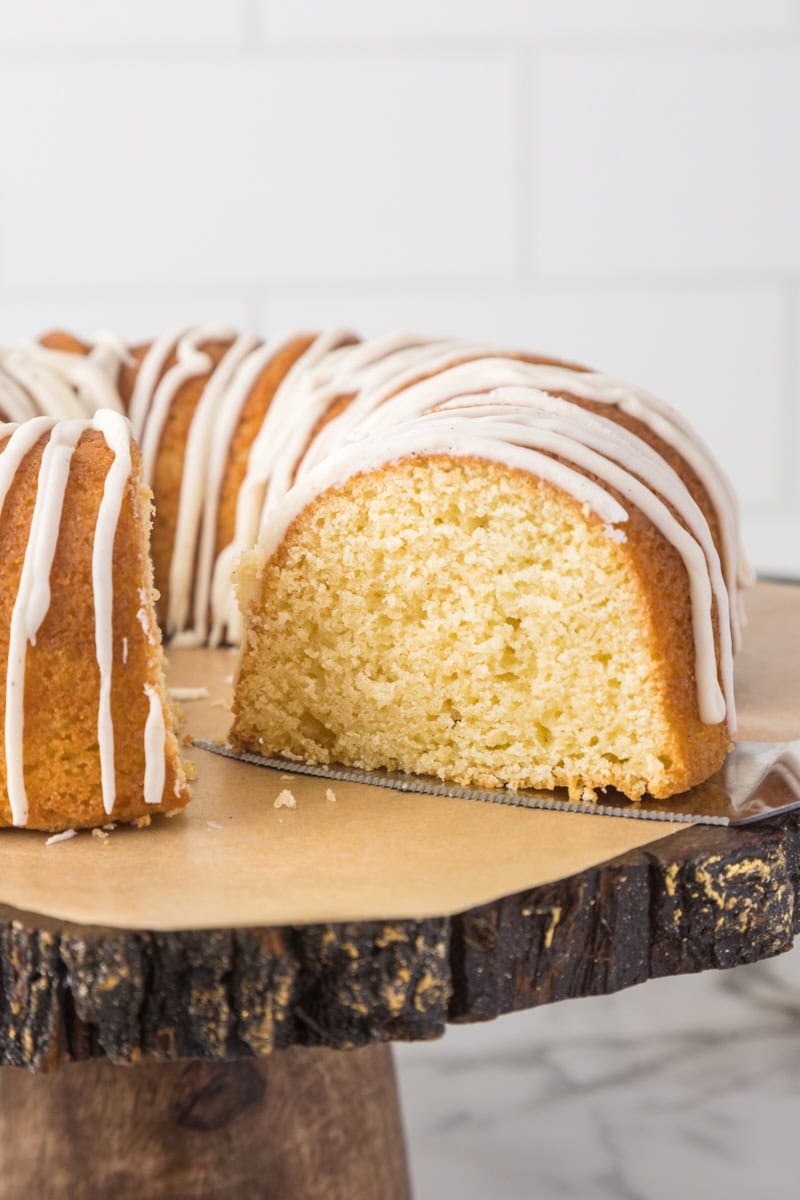
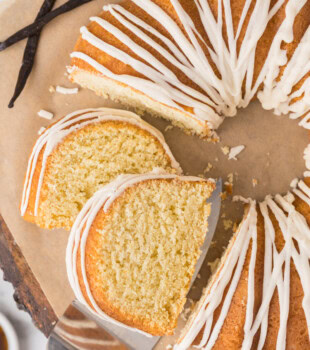
A soft, buttery vanilla Bundt cake made special with real vanilla bean and finished with a smooth vanilla glaze. Simple enough for everyday baking, elegant enough for a celebration.
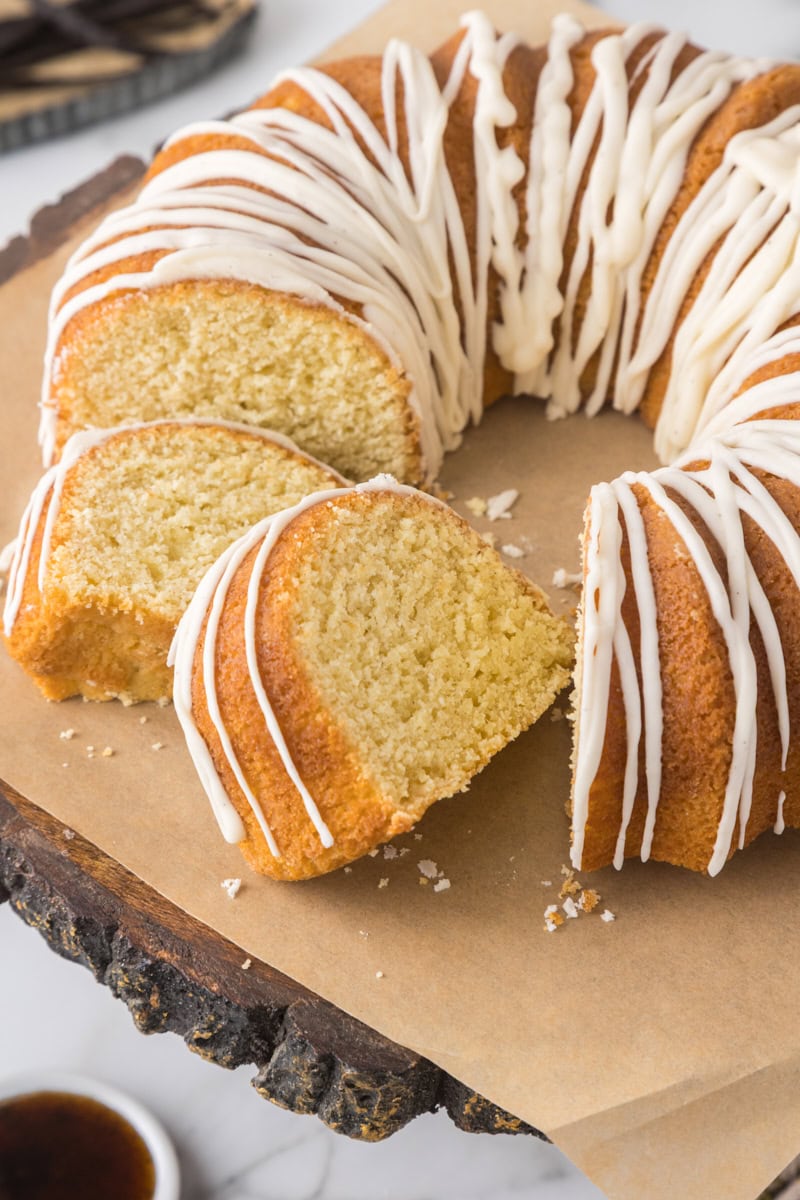
This vanilla bean Bundt cake is one of those quietly impressive recipes — the kind that doesn’t rely on bold flavors or heavy embellishments to stand out. Instead, it leans into good ingredients, a light and tender crumb, and plenty of real vanilla for a cake that feels just as right on a casual afternoon as it does on a dessert table.
Using both vanilla bean paste and vanilla extract gives the cake a deep, well-rounded vanilla flavor, while a simple glaze adds just enough sweetness and polish. It’s a lovely, dependable cake you’ll find yourself coming back to again and again.
Why You’ll Love This Vanilla Bundt Cake
- Simple but elegant – Perfect on its own or dressed up with a glaze for special occasions.
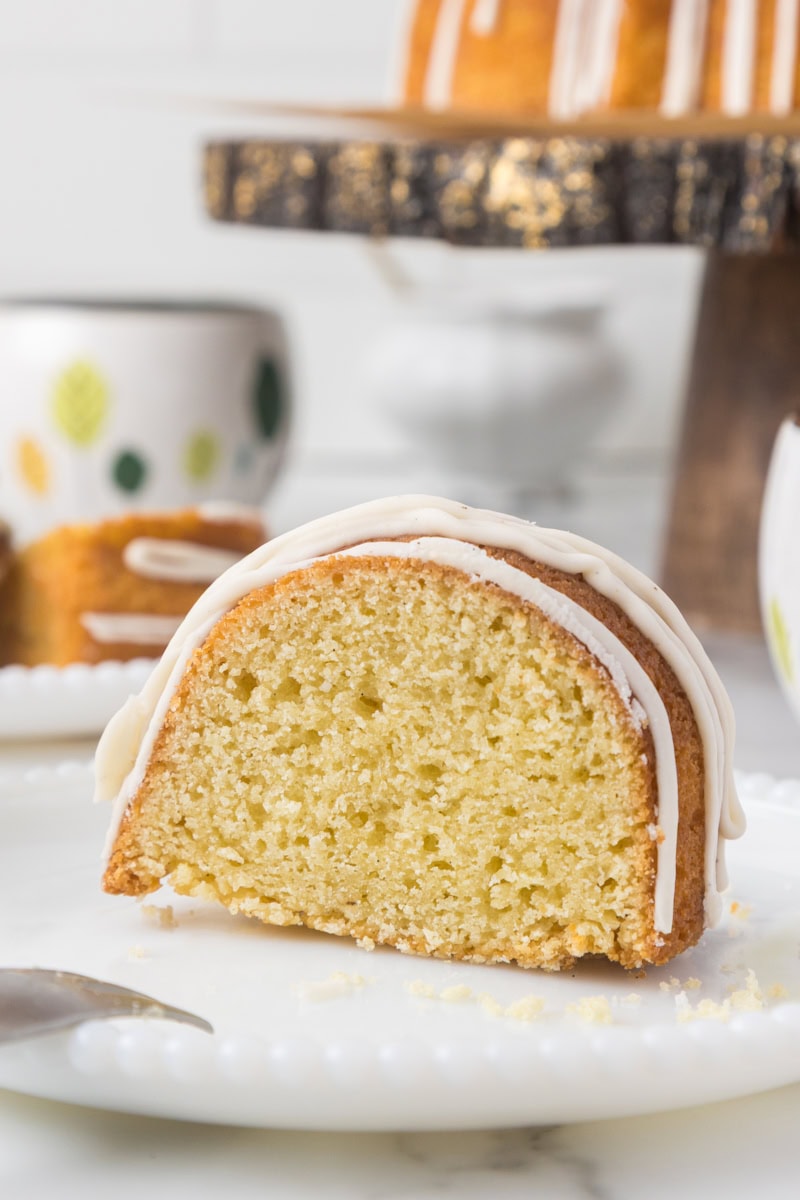
- Light, tender crumb – Soft and moist without being dense or heavy.
- Real vanilla flavor – Vanilla bean paste gives beautiful speckles and depth, while extract rounds everything out.
- Reliable Bundt cake – Bakes evenly and slices beautifully.
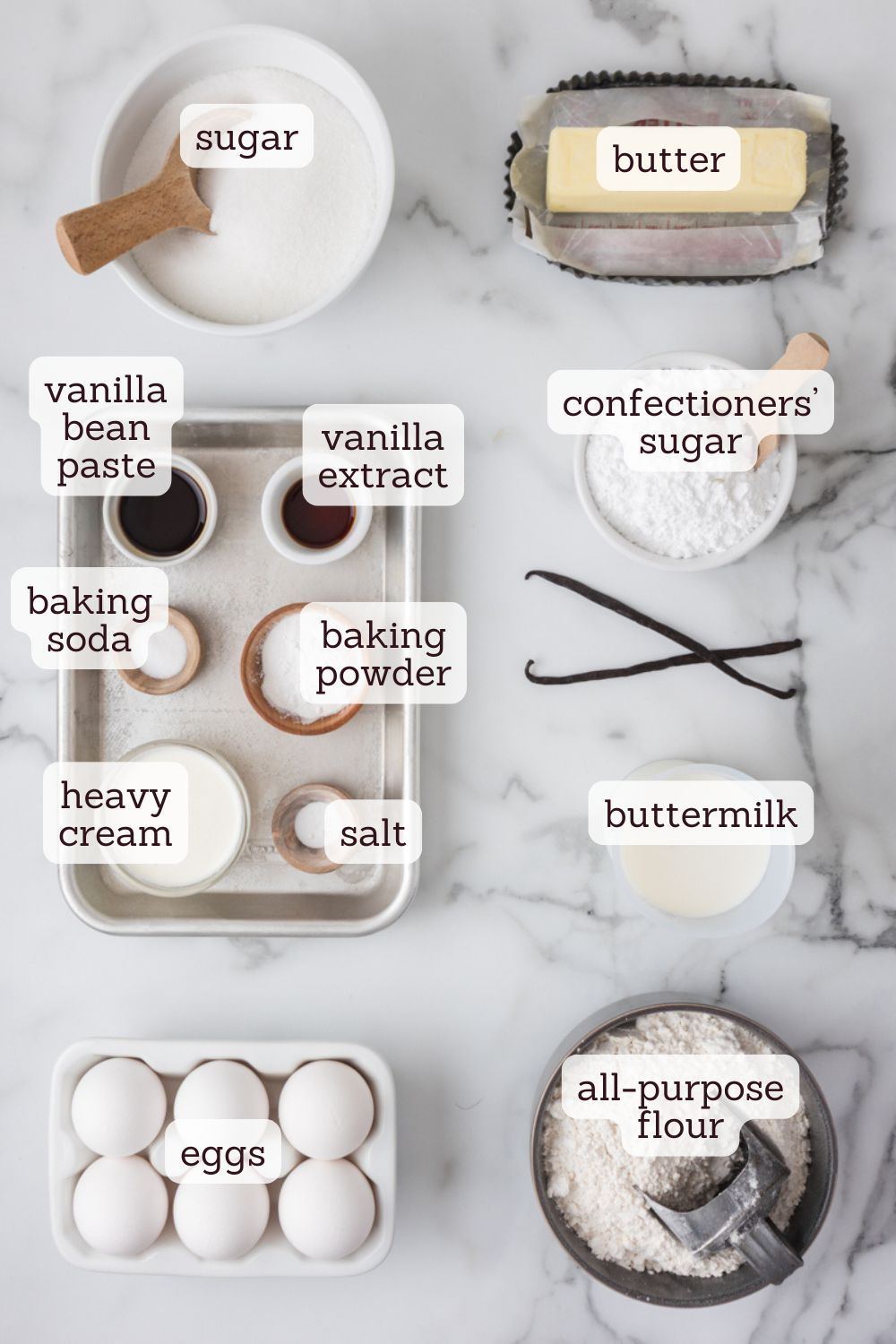
Key Ingredients
- Vanilla bean paste (or vanilla bean) – This cake uses vanilla bean paste for both flavor and those beautiful vanilla speckles throughout the crumb. The paste brings a deeper, more rounded vanilla flavor than extract alone. If you prefer, you can substitute the seeds scraped from one whole vanilla bean.
- Vanilla extract – Using vanilla extract alongside the vanilla bean paste helps round out the flavor and gives the cake that familiar, classic vanilla aroma. The two together create a fuller vanilla profile than either one on its own.
- Butter – Butter provides richness and structure, giving the cake its soft, tender crumb while still holding up well in a Bundt pan.
- Buttermilk – Buttermilk keeps the cake moist and light, adding a subtle tang that balances the sweetness and enhances the vanilla flavor.
- Eggs – Eggs add structure and stability, helping the cake bake evenly and slice cleanly without feeling dense.
How to Make This Vanilla Bundt Cake
Prepare the pan and oven.
Because Bundt cakes have so many curves, taking a little extra care here makes all the difference. Generously butter and flour the pan (or use a baking spray with flour), making sure every nook is coated. Bake the cake at a slightly lower temperature to help it rise evenly and stay tender.
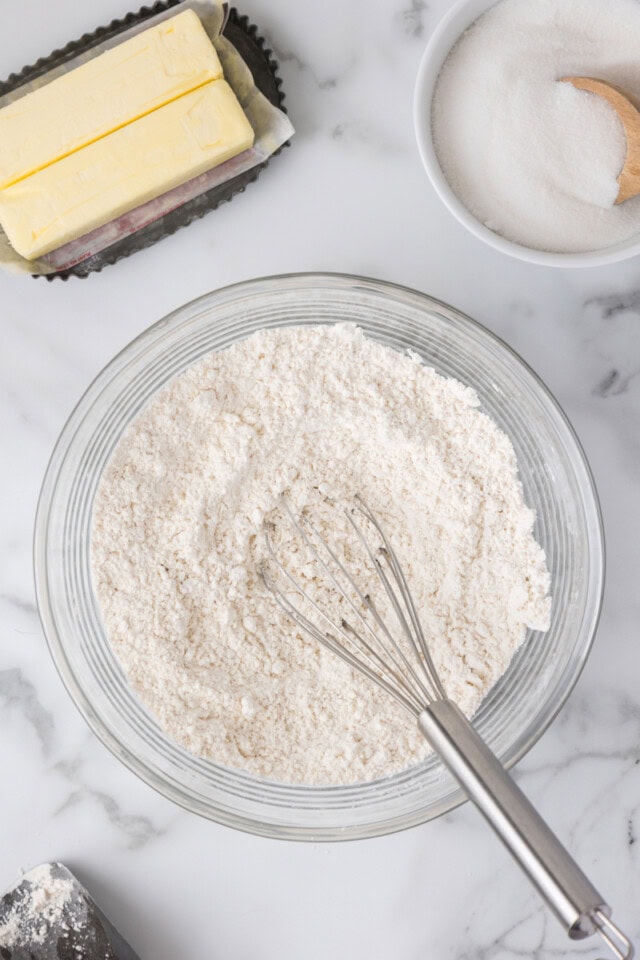
Mix the dry ingredients.
Whisking the flour, leaveners, and salt together first ensures everything is evenly distributed and helps prevent over-mixing later.
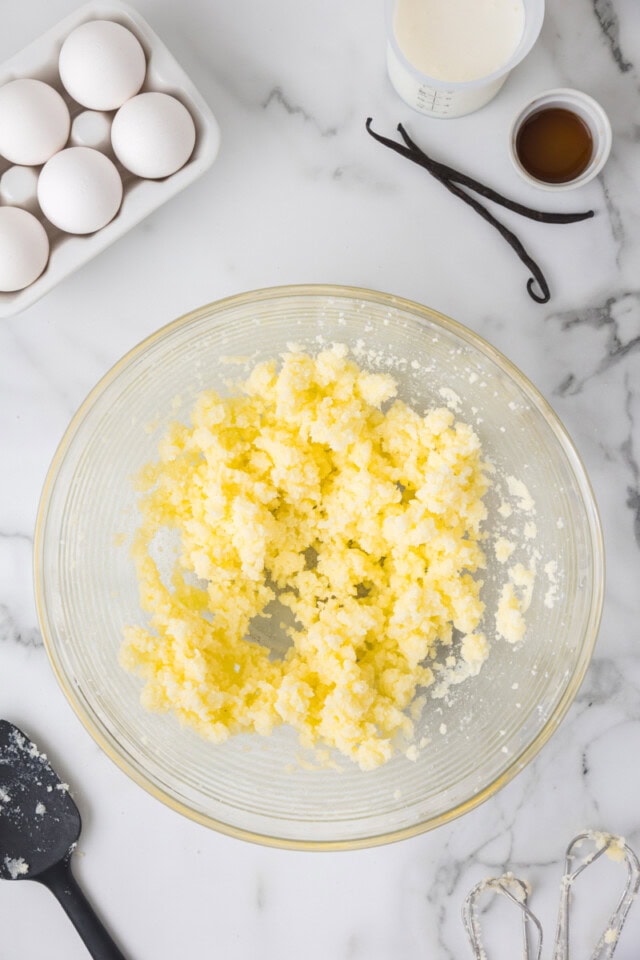
Cream the butter and sugar.
Beat the butter and sugar until light and fluffy. This step builds structure and helps create a soft, even crumb, so don’t rush it.
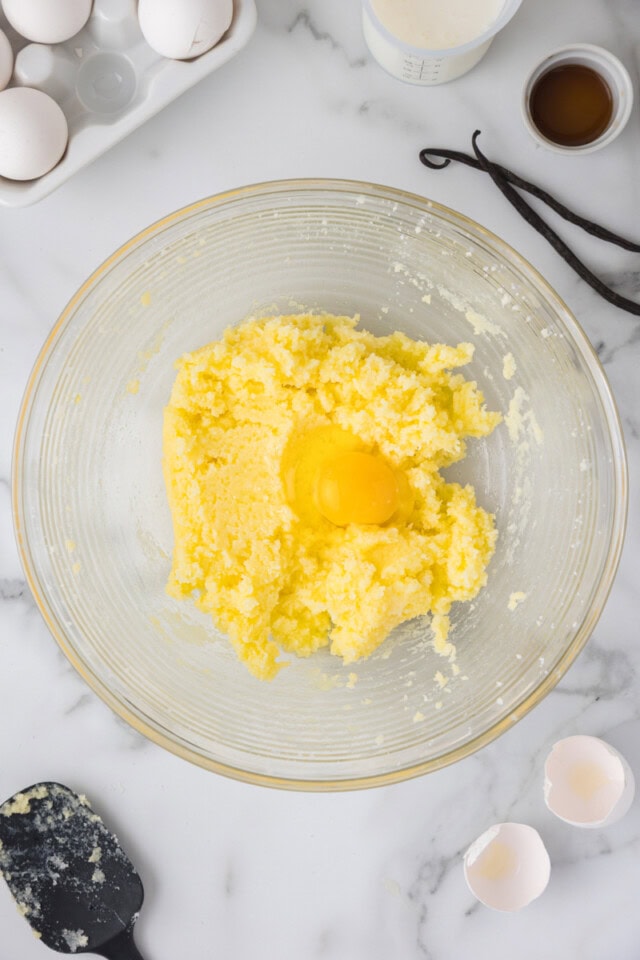
Add the eggs and vanilla.
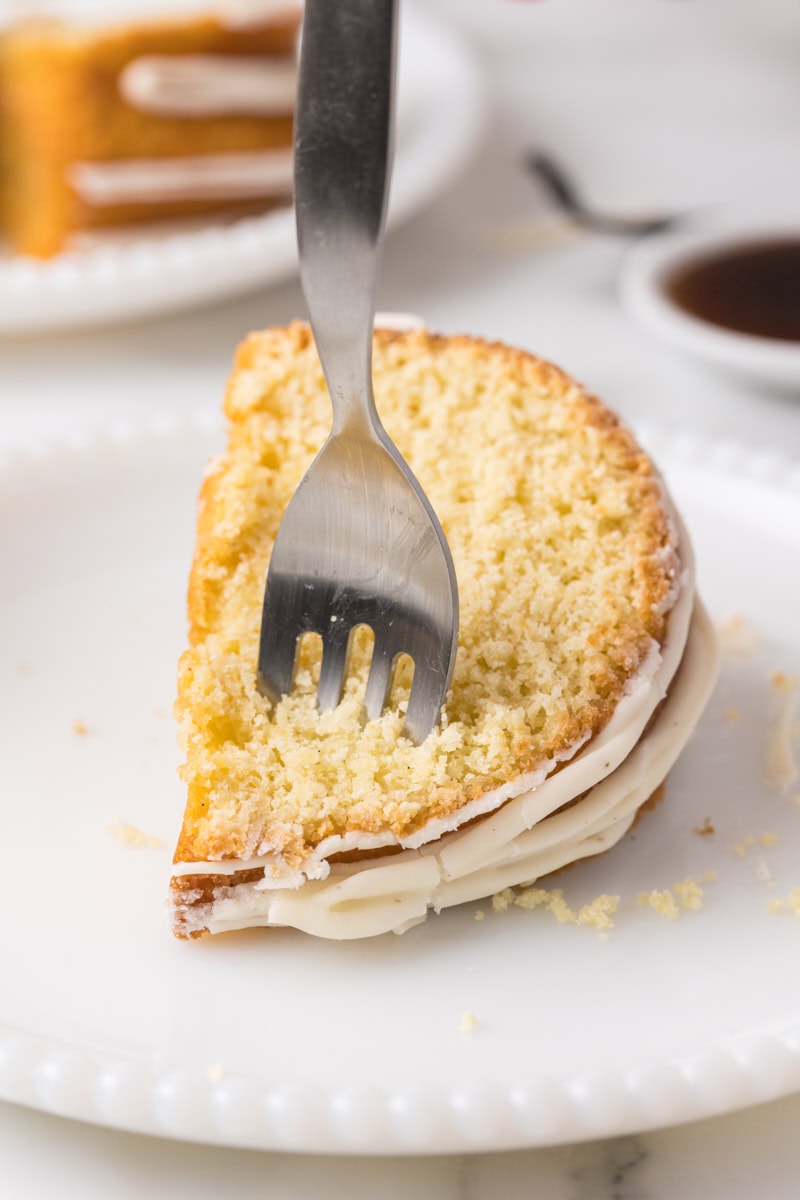
Add the eggs one at a time, mixing well after each addition. Then mix in the vanilla bean paste and vanilla extract, which gives the batter its signature vanilla flavor and those beautiful speckles.
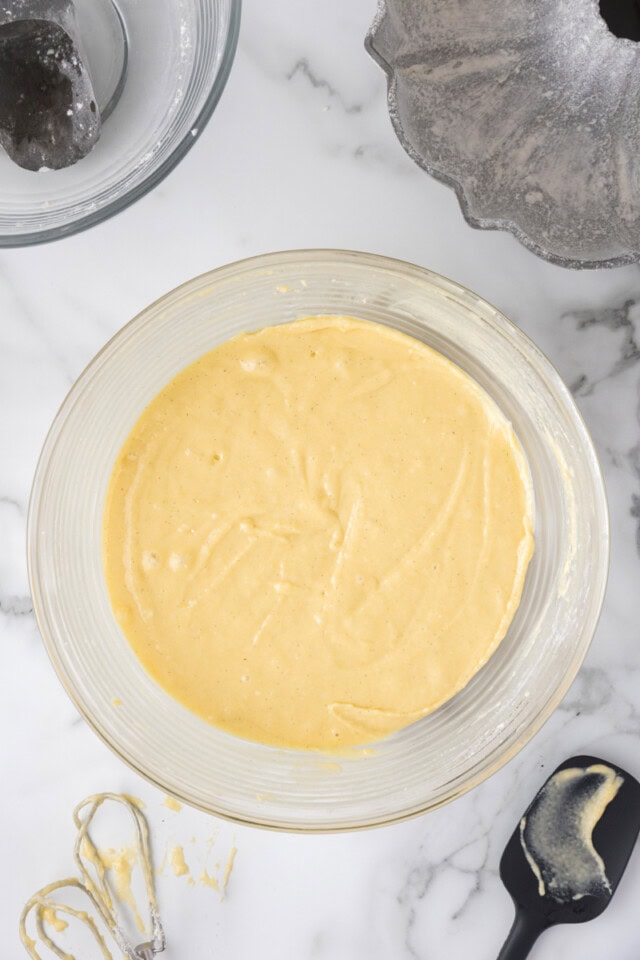
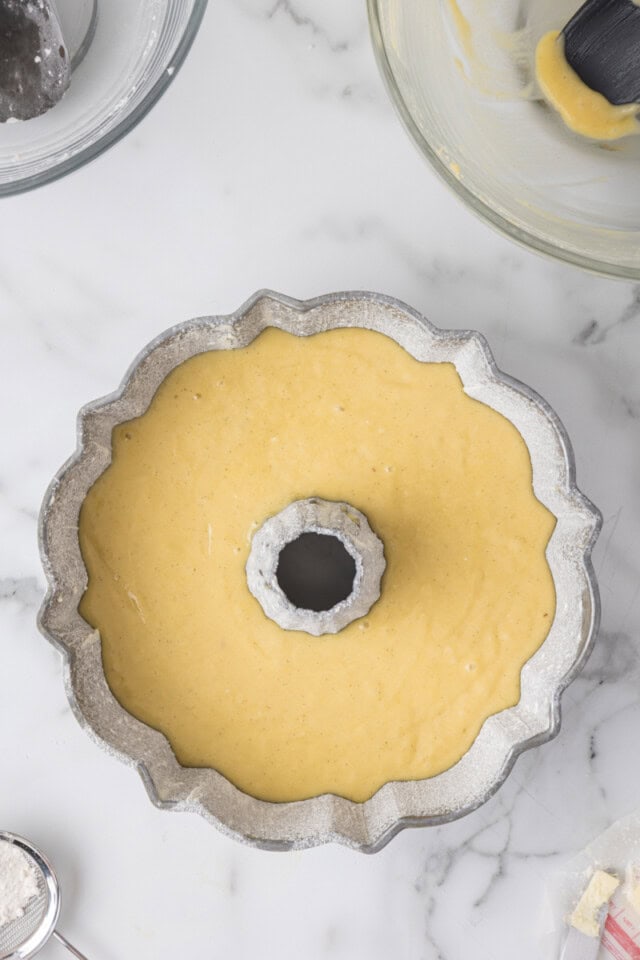
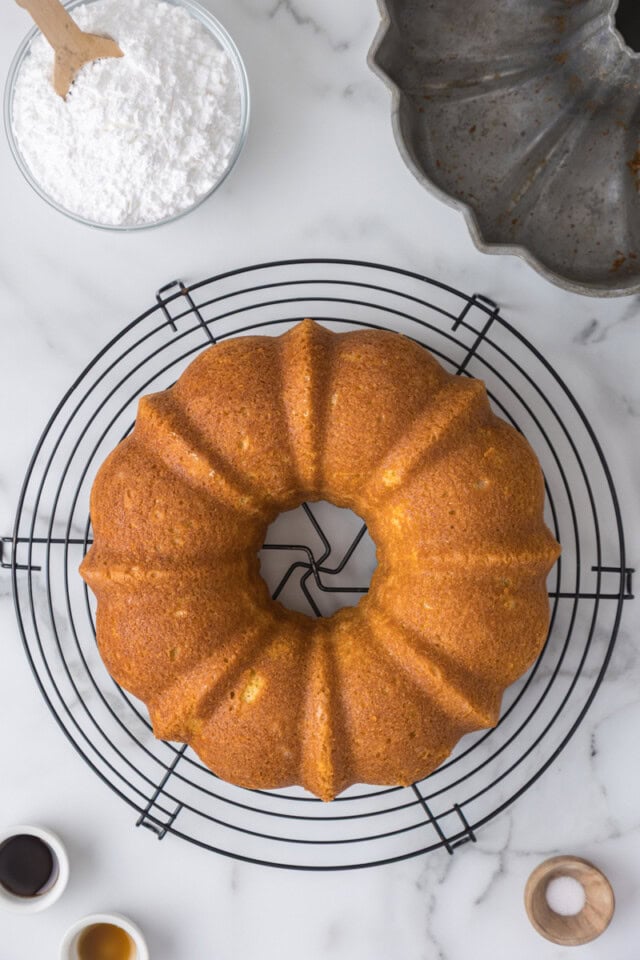
Alternate the dry ingredients and buttermilk.
Add the flour mixture in three additions, alternating with the buttermilk. Mix just until combined and stop as soon as the batter comes together to keep the cake light.
Bake until just done.
Transfer the batter to the prepared pan and smooth the top. Bake until the cake is golden and a pick inserted near the center comes out clean. Avoid over-baking, which can dry out a vanilla cake.
Cool, then glaze.
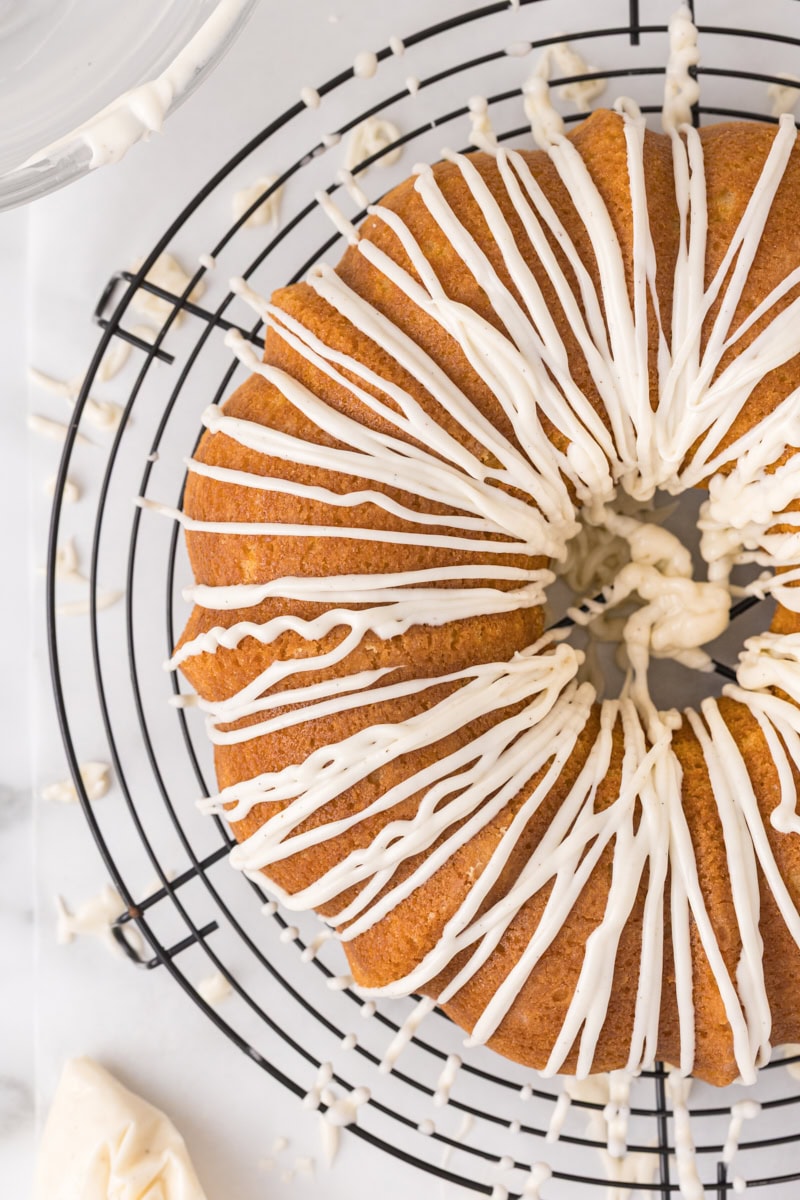
Let the cake cool in the pan briefly before turning it out to cool completely. Once cooled, drizzle with the vanilla glaze and let it set before slicing.
Tips for the Best Vanilla Bundt Cake
- Prepare the pan thoroughly. Bundt cakes are notorious for sticking, so take your time here. Make sure every curve of the pan is well coated with butter and flour, or use a baking spray with flour for the most reliable release.
- Let the vanilla shine. Vanilla is the main flavor in this cake, so the type you use really does make a difference. If you’re curious about the differences between vanilla extract, vanilla bean paste, and whole vanilla beans, this guide to the different types of vanilla breaks it all down.
- Use room-temperature ingredients. Softened butter and room-temperature eggs and buttermilk blend more smoothly into the batter, which helps the cake bake evenly and develop a tender crumb.
- Cream the butter and sugar well. This step creates air in the batter and sets the foundation for a light cake. Beat until the mixture looks pale and fluffy, not just combined.
- Don’t over-mix after adding the flour. Once the dry ingredients go in, mix just until everything comes together. Over-mixing can lead to a heavier texture, especially in a vanilla cake.
- Check for doneness a bit early. Ovens and Bundt pans vary, so start checking near the lower end of the bake time. The cake should spring back lightly when touched and a pick inserted near the center should come out clean.
- Let the cake cool before glazing. Glazing a warm cake can cause the glaze to melt and slide off. Let the cake cool completely so the glaze sets neatly and gives that smooth, elegant finish.
Variations and Serving Ideas
- Skip the glaze. This cake is just as lovely without the glaze. A simple dusting of powdered sugar keeps things understated and works well for everyday serving.
- Add a citrus note. For a subtle twist, add finely grated lemon or orange zest to the batter or glaze. The citrus brightens the vanilla without overpowering it.
- Serve with fruit. Fresh berries, macerated strawberries, or a spoonful of fruit compote pair beautifully with the vanilla flavor and make the cake feel extra special.
- Dress it up for dessert. Serve slices with lightly sweetened whipped cream or a scoop of vanilla ice cream for an easy, elegant dessert.
- Make it seasonal. In cooler months, try serving the cake with warm fruit sauces or spiced compotes. In warmer weather, keep it light with fresh fruit and cream.
Storage and Make-Ahead
This vanilla Bundt cake keeps very well, making it a great option for baking ahead.
- Room temperature: Store the cake covered at room temperature for up to 3 days. Once the glaze has set, it won’t weep or soften the cake.
- Refrigerator: If your kitchen runs warm, you can refrigerate the cake in a well-sealed container for up to 5 days. Bring slices to room temperature before serving for the best texture.
- Freezer: The unglazed cake freezes well for up to 2 months. Wrap tightly in plastic wrap and foil. Thaw overnight in the refrigerator or at room temperature, then glaze before serving.
Make-ahead tip: You can bake the cake a day in advance and glaze it shortly before serving for the freshest look.
A Simple Cake You’ll Come Back To
This vanilla Bundt cake is proof that simple baking can still feel special. With a light, tender crumb and plenty of real vanilla flavor, it’s the kind of recipe that works just as well for everyday moments as it does for celebrations.
Whether you finish it with a smooth vanilla glaze or keep things understated with a dusting of powdered sugar, this is a dependable, elegant cake you’ll want to keep in your back pocket. It’s easy to make and always welcome on the table.
More Classic Cakes to Try
Vanilla Bundt Cake
Ingredients
For the cake:
- 3 cups (360 g) all-purpose flour
- 2 ½ teaspoons baking powder
- ¼ teaspoon baking soda
- ½ teaspoon salt
- 1 cup (226 g) unsalted butter, softened
- 1 ¾ cups (350 g) granulated sugar
- 4 large eggs, at room temperature
- 1 tablespoon (15 ml) vanilla bean paste, or seeds from 1 vanilla bean
- 1 teaspoon vanilla extract
- 1 cup (240 ml) buttermilk, at room temperature
For the glaze:
- 1 ½ cups (165 g) confectioners’ sugar, sifted
- 3 to 4 tablespoons (45 to 60 ml) heavy cream, or whole milk
- 1 teaspoon vanilla bean paste
- ¼ teaspoon vanilla extract
- pinch salt
Recommended Products
Instructions
To make the cake:
- Preheat the oven to 325°F (160°C). Generously butter and flour a 10–12 cup Bundt pan (or use a baking spray with flour).
- Whisk together the flour, baking powder, baking soda, and salt. Set aside.
- In a large bowl, beat the butter and sugar on medium speed with an electric mixer until light and fluffy (about 3 minutes).
- Beat in the eggs one at a time. Mix in the vanilla bean paste and extract.
- With the mixer on low speed, add the flour mixture in three portions, alternating with the buttermilk in two portions, beginning and ending with flour. Mix just until combined.
- Pour the batter into the pan and smooth the top. Bake 55–65 minutes, or until a pick inserted in the center comes out clean.
- Let cool in the pan 15–20 minutes, then turn out onto a wire rack to cool completely.
To make the glaze:
- Whisk the confectioners’ sugar, 3 tablespoons cream, vanilla bean paste, vanilla extract, and salt. Add more cream a teaspoon at a time until the glaze is thick but pourable.
- Spoon or drizzle over the cooled cake. Let set before serving.
Video
Notes
- Vanilla bean paste: Vanilla bean paste gives the best flavor and appearance, but you can substitute the seeds from one whole vanilla bean.
- No vanilla bean paste or bean? You can use additional vanilla extract if needed, though the cake will be slightly less intense in flavor and won’t have vanilla speckles.
- Buttermilk substitution: If you don’t have buttermilk, you can make a quick substitute by stirring 1 tablespoon lemon juice or white vinegar into 1 cup milk. Let it stand for 5 minutes before using.
- Make ahead: The cake can be baked a day in advance and glazed just before serving.
- Storage: Keep in an airtight container at room temperature up to 3 days.
- Freezing: Freeze the unglazed cake, well wrapped, for up to 2 months. Thaw completely before glazing.